NIMR Flags Efficacy Gaps in 46 Herbal Remedies Despite Safety Findings
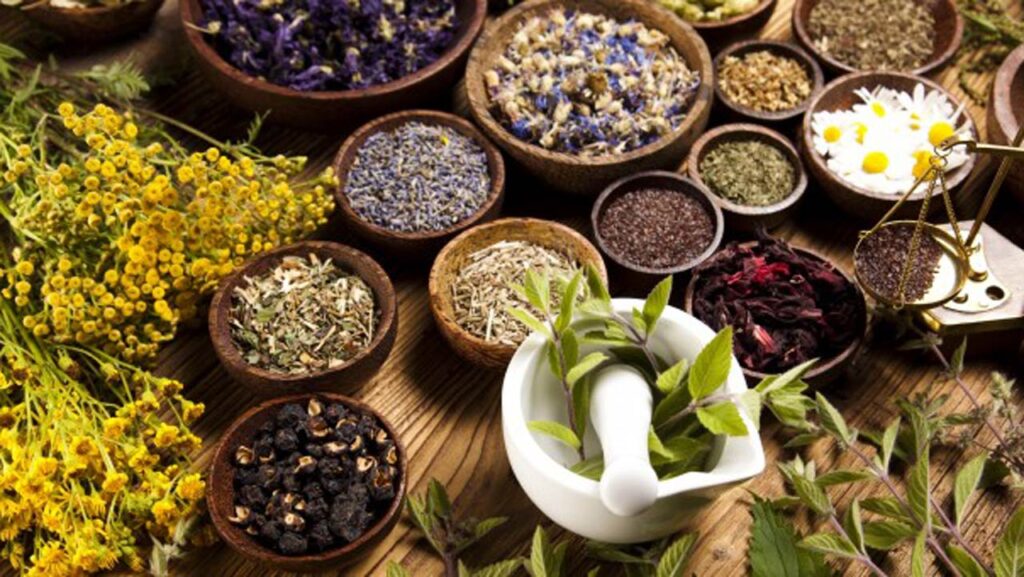
The Nigerian Institute of Medical Research (NIMR) has revealed that while many herbal medicines in circulation may be safe for use, they fall short in delivering the therapeutic benefits claimed by their producers.
At a media briefing in Lagos, the Deputy Director of Research at NIMR’s Biochemistry and Nutrition Department, Dr. Oluwagbemiga Aina, disclosed that the institute’s Centre for Research in Traditional, Complementary and Alternative Medicine evaluated 46 herbal products and plant extracts over six years.
“All of the products tested were found safe in animal studies, but when subjected to efficacy trials, none effectively treated the conditions they were intended for,” Aina explained.
The products tested included remedies marketed for malaria, typhoid, rheumatism, and even COVID-19. While some, such as Yoyo Bitters and Tamalin, showed partial suppression of malaria parasites, none achieved total clearance comparable to standard drugs like chloroquine.
Aina urged herbal medicine manufacturers to collaborate with researchers for safety profiling, efficacy validation, and identification of active compounds. “That is the only way to ensure claims are credible and patients are protected,” he said.
He also warned Nigerians to exercise caution in consuming untested herbal remedies, stressing that unverified claims could mislead patients and delay proper treatment.
In related findings, NIMR research fellow Dr. Afeez Adekola highlighted rising antimicrobial resistance, noting that Salmonella strains in Nigeria now carry multiple resistance genes, with some potentially resistant to nearly all frontline drugs. He called for stronger antibiotic stewardship, surveillance, and investment in new therapies.
Despite its contributions during the COVID-19 pandemic and ongoing research, the centre struggles with inadequate equipment, limited facilities, and poor funding. Nevertheless, it has trained over 500 students and researchers since its establishment in 2017.