Defections Threaten Nigeria’s Democracy, Ex-Governor Victor Attah Warns
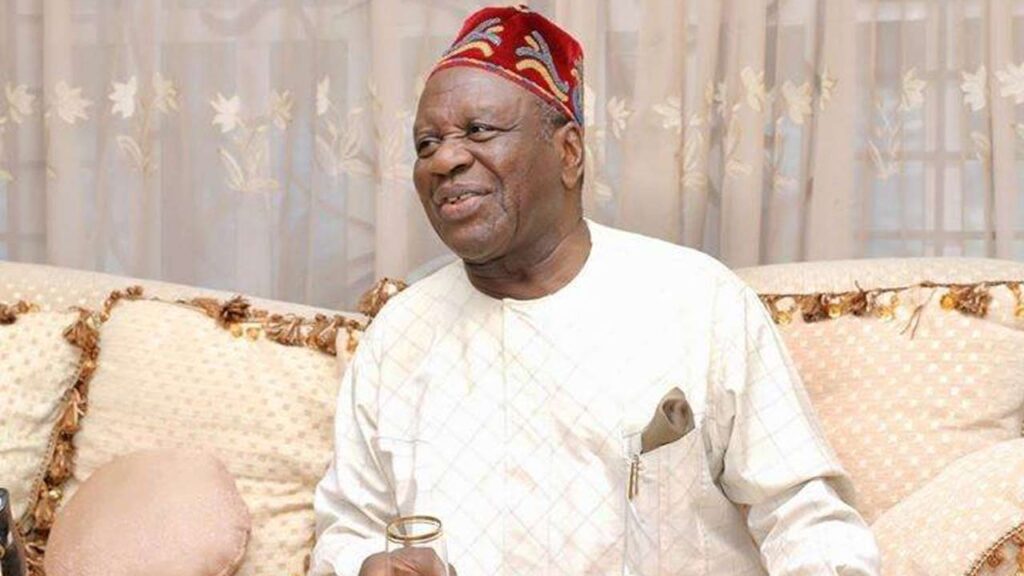
Former Governor of Akwa Ibom State, Obong Victor Attah, has raised alarm over the growing wave of political defections in Nigeria, warning that the practice poses a serious threat to democratic stability and governance.
Speaking on The Morning Show, a breakfast programme on Arise Television, Attah cautioned that frequent cross-carpeting among political elites disrupts governance and undermines policy continuity.
“If we have an unstable party situation in Nigeria, we will have an unstable policy, and we will end up with an unstable nation,” Attah said.
The former governor further blamed the Peoples Democratic Party (PDP) for setting the trend of defections, arguing that the party’s conduct in the early years of the Fourth Republic created a precedent that continues to weaken Nigeria’s political system.
“I attribute the rise in defections within Nigeria’s politics to the PDP, as they were the ones who set this trend in motion,” he added.
Defections have long shaped Nigeria’s political landscape, often spiking during election cycles. Politicians frequently switch allegiance between the ruling All Progressives Congress (APC) and the PDP, typically to gain political advantage or protection.
Although Section 68(1) of the 1999 Constitution stipulates that lawmakers who defect from the parties under which they were elected should lose their seats, inconsistent enforcement and political compromises have allowed many defectors to retain their positions.
Attah’s remarks come at a time when defections by governors, lawmakers, and other high-profile figures continue to dominate Nigeria’s political discourse, reshaping alliances at both state and national levels.
His comments add to growing calls for reforms aimed at strengthening party ideology and discipline to safeguard the nation’s democracy.