How Nigeria’s Cashless Policy Sparked a Fintech Revolution
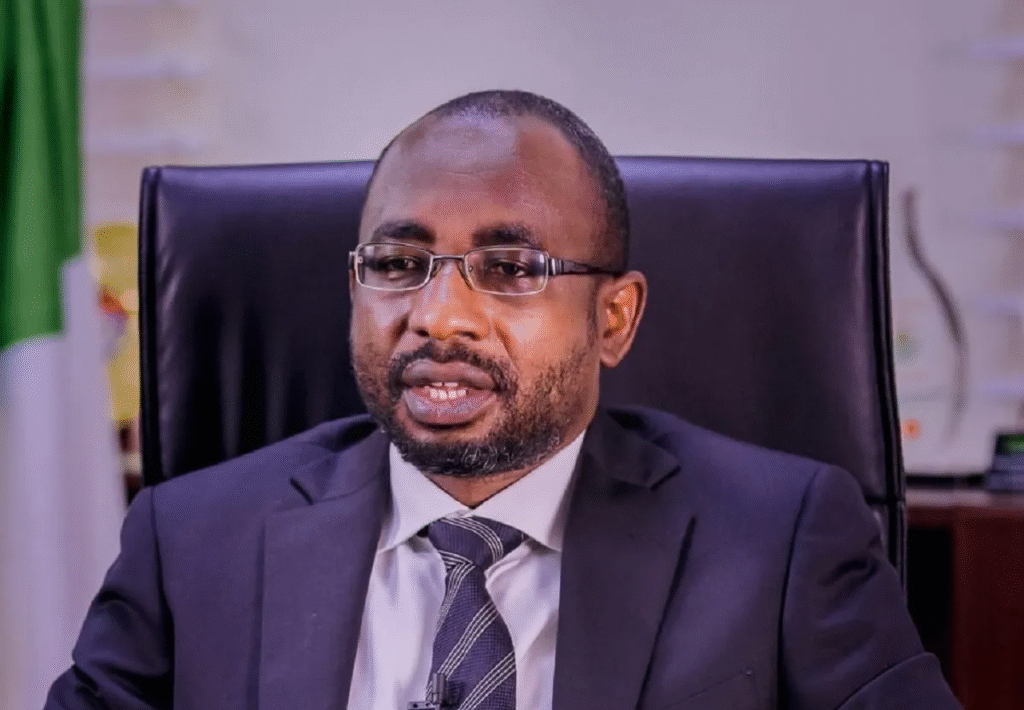
The Director-General of the National Information Technology Development Agency (NITDA), Kashifu Inuwa Abdullahi, has credited Nigeria’s cashless policy for igniting the fintech revolution that has transformed the country’s digital economy.
Speaking at the just-concluded GITEX Nigeria 2025 Conference and Exhibition in Lagos, Abdullahi explained that the government’s cashless drive—introduced in 2012—paved the way for startups, tech firms, and banks to build an industry that has since produced five unicorns, including Andela, Flutterwave, and Paystack.
“The policy mandated our banks to digitalise their processes. In doing so, gaps were identified, and our startups seized the opportunity to develop fintech solutions,” Abdullahi said. “That is why Lagos today is not only Nigeria’s commercial hub but also the capital of Africa’s tech ecosystem—the factory of unicorns.”
Originally aimed at reducing physical cash in circulation and curbing corruption, the cashless policy also spurred widespread adoption of PoS terminals, mobile banking apps, and online payment gateways, reshaping consumer and business behavior.
Abdullahi noted that Nigeria’s unique resilience, rather than infrastructure, has driven its innovation:
“Out of eight or nine unicorns from Africa, five originated from Nigeria. This did not happen by accident—it was intentional policy that created opportunity.”
IFC’s $6 Billion Digital Push in Africa
At the same event, Dahlia Khalifa, IFC Regional Director for Central Africa and Anglophone West Africa, revealed that the International Finance Corporation (IFC) has invested more than $6 billion in Africa’s digital infrastructure over the past decade.
She highlighted challenges such as high technology costs, poor infrastructure, limited financing, and gaps in digital literacy, but stressed that addressing them could transform 600,000 formal businesses and 40 million micro-enterprises, boosting wages and creating better jobs.
The IFC’s strategy includes investments in:
Infrastructure – over $1 billion last year, including data centres and fibre networks in Nigeria, DRC, and South Africa.
Skills and Training – preparing Africa’s youth for future jobs.
Entrepreneurship Support – through its Venture Capital Platform and Startup Catalyst Programme, backing firms like TradeDepot, Andela, and Wave Mobile Money.
Khalifa framed Africa’s digital future as a story of “quantum leapfrogging”, urging responsible use of AI and strong public-private partnerships to unlock inclusive and globally competitive growth.