7,000 Stranded Nigerians: NiDCOM, Migration Crisis, and the Worth of a Nigerian Life
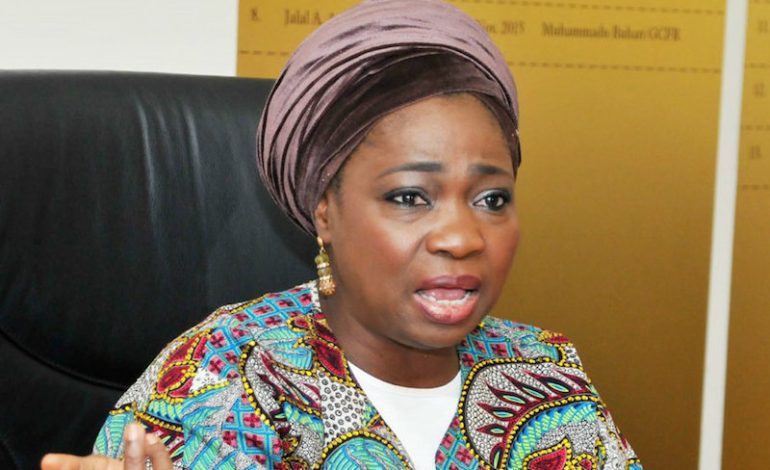
The recent revelation by Hon. Abike Dabiri-Erewa, Chairperson of the Nigerians in Diaspora Commission (NiDCOM), that more than 7,000 Nigerians are stranded in Libya, rekindled painful memories. It reminded me of my 2017 essay lamenting the surge of illegal migration by young Nigerians in search of greener pastures abroad.
Back then, thousands perished while crossing the Sahara Desert on foot or navigating the Mediterranean in rickety boats toward Italy’s Lampedusa islands. Eight years later, the tragedies continue, with the Sahara and Mediterranean serving as mass graves for our youth—lives wasted in pursuit of uncertain dreams.
Illegal migration robs Nigerians of their identities, exposes them to traffickers, and, in many cases, leads to organ harvesting or death. The issue goes beyond statistics—it’s about the worth of a Nigerian life.
This essay revisits my earlier proposals and adds fresh perspectives drawn from global migration trends.
Former UK Prime Minister Rishi Sunak’s Rwanda Plan sought to deport undocumented migrants to Africa—an idea scrapped by his successor, Keir Starmer, but one with troubling echoes of history. Britain once relocated freed slaves to Sierra Leone in 1787, while the U.S. resettled freed Blacks in Liberia in 1822. Both cases symbolized liberation and exile.
Today, the same descendants of displaced Africans face new forms of rejection. While Nigerians are celebrated abroad when excelling in sports, academia, or politics, they are swiftly branded as “Nigerian immigrants” when involved in crime. This selective recognition, Onyibe argues, is morally unfair and damaging to Nigeria’s global image.
To correct these stereotypes, Nigerians abroad must embrace citizen diplomacy, separating bad actors from the majority who are hardworking and law-abiding.
The U.S. has implemented harsh deterrents, such as the “Alligator Alcatraz” detention center in Florida, notorious for its grim conditions. The goal: deglamorise migration by confronting would-be migrants with the harsh realities awaiting them.
And it seems to be working—studies show that in the first half of 2025, the U.S. foreign-born population declined by 1.4 million, the first drop in 50 years. Yet, this decline brings risks of labor shortages in agriculture and artisanal trades—sectors historically dependent on immigrant labor.
Nigeria has yet to fully adopt strategies to dissuade illegal migration. Nollywood could play a powerful role by depicting its dangers, while traditional rulers, who command grassroots influence, should be mobilised to discourage desperate journeys.
The Oba of Benin once led a highly effective campaign against human trafficking in Edo State, then an epicenter of sex trafficking. Similar initiatives nationwide could save countless lives.
As the constitution review process promises greater roles for traditional rulers, they must rise to the task of steering Nigerian youth away from perilous migration paths.
The tragedy of 7,000 stranded Nigerians in Libya should not just make headlines—it should force Nigeria to confront a hard truth: until the nation values its citizens’ lives, others will continue to treat Nigerian lives as disposable.