Polio Variant Persists in Northwest Despite Declining Cases
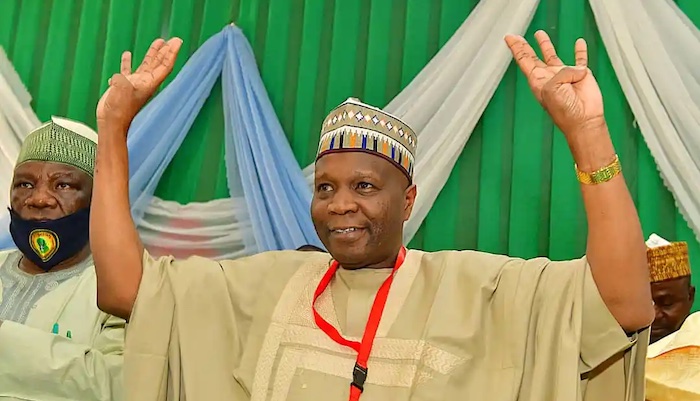
Nigeria has recorded significant progress in its renewed fight against polio, but the persistence of a vaccine-derived variant in the North-West remains a concern, according to Gombe State Governor, Inuwa Yahaya.
Briefing State House correspondents after the National Economic Council (NEC) meeting chaired by Vice President Kashim Shettima, Yahaya said ongoing interventions were already yielding results.
He recalled that the National Committee on Polio Eradication, inaugurated in December 2023, has held multiple sessions to review progress and refine strategies. While Nigeria was certified free of wild poliovirus in 2020, efforts are now focused on containing a circulating variant concentrated in Kano, Katsina, Kebbi, Sokoto, and Zamfara States.
“As of the 33rd epidemiological week in 2024, Nigeria recorded 78 cases. That figure has now dropped to 42, showing a clear downward trend,” Yahaya noted.
Kano and Katsina recorded notable reductions of 65 per cent and 84 per cent respectively, while Gombe has remained free of cases in 2025. However, Sokoto remains the epicentre, accounting for 13 of the 23 cases reported nationwide this year.
According to Yahaya, progress has also been recorded in surveillance and vaccination. Settlements tracked with geo-coordinate data rose from 71 per cent in April to 78 per cent in June, while vaccination coverage increased from 81 to 84 per cent in the same period.
He added that the first round of immunisation across 11 high-risk states reached 77 per cent of targeted settlements, with about 2.7 million children vaccinated, representing 83 per cent coverage.
Beyond vaccination, integrated health services were delivered, including nutritional supplements for pregnant women, malaria prevention kits, and maternal-child health interventions, a strategy aimed at improving community acceptance.
Looking ahead, Yahaya announced that the second round of immunisation will run from September 11–14 across 11 high-risk states, while a nationwide integrated campaign in October will target children aged 0–14 years with vaccines for measles, rubella, polio, and malaria, alongside treatment for neglected tropical diseases.
To ensure success, the NEC directed deputy governors to personally chair task force meetings ahead of campaign rounds, especially in Kano, Kebbi, and Sokoto. Commissioners for Health and primary healthcare heads are also to oversee post-campaign reviews and mop-up efforts, with local government chairmen tasked with grassroots mobilisation.





