Lagos Industrial Leather Hub Set to Boost Exports, Create 10,000 Jobs
Lagos State has launched a new industrial leather hub designed to supply regional retailers and global brands while providing advanced cutting, stitching, and finishing technology.
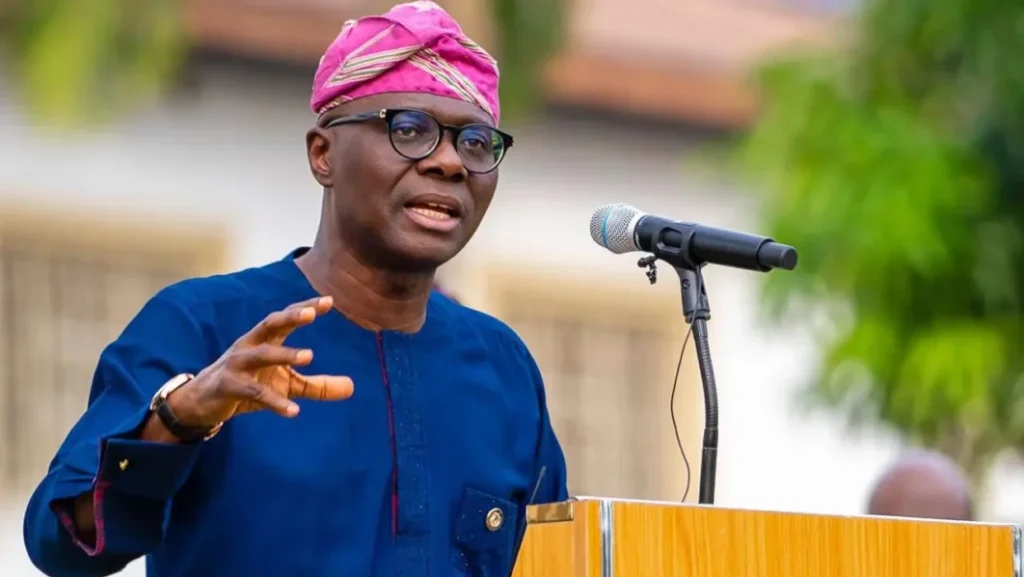
Governor Babajide Sanwo-Olu, who commissioned the hub over the weekend, highlighted its role in co-creating product-development studios with Lagos fashion schools and international design houses to accelerate innovation and move up the global value chain.
“By bringing structure, modern infrastructure, and a supportive policy framework into an industry long dominated by informality, the State has created a platform that empowers artisans and NIMSMEs while positioning Lagos as a continental centre of excellence for leather production,” Sanwo-Olu said.
The hub aims to reduce Nigeria’s reliance on imported finished footwear and leather goods by processing raw materials domestically and increasing the share of finished leather in the country’s exports.
Leather production, being highly labour-intensive, is expected to create thousands of direct and indirect jobs, including roles across inputs, logistics, and retail. The facility is projected to generate about 10,000 jobs within three years, train 150,000 artisans nationwide, and produce over $200 million in annual exports when fully operational, with more than 70% of jobs reserved for women and youths.
The Senator Oluremi Tinubu Industrial Leather Hub, located in Matori, Mushin, is a multi-billion-naira complex built under the Ministry of Wealth Creation and Employment in partnership with Kharis Engineering Services Limited. It features industrial-grade production machinery for shoes, bags, and belts, as well as commercial spaces for shops, showrooms, training centres, and banking services.
Governor Sanwo-Olu described the hub as a transformative platform that will convert previously exported raw hides and skins into world-class footwear, garments, and accessories “made in Lagos and made in Nigeria” for the global market.