WHO Pledges Support to Strengthen African Health Systems
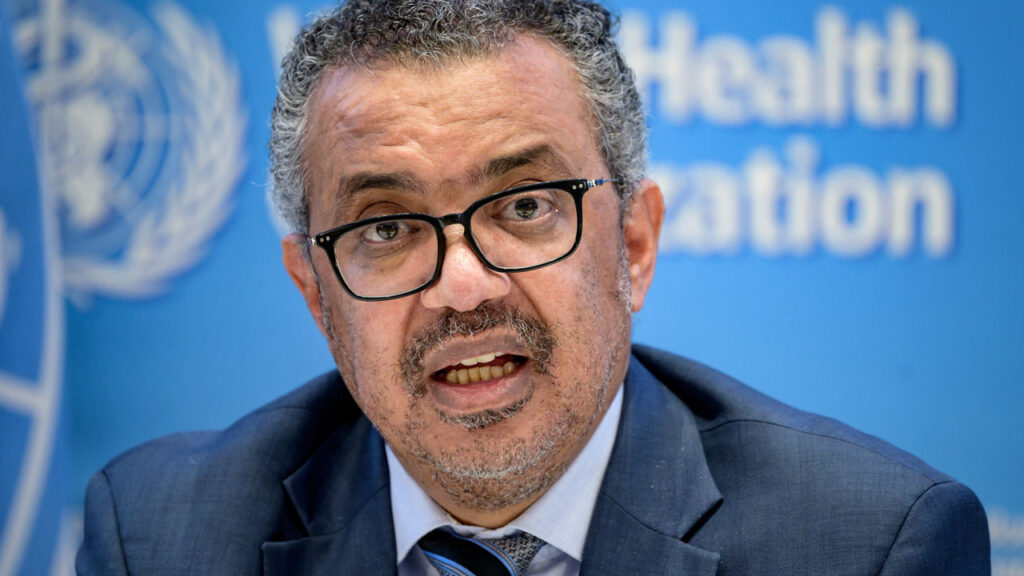
The Director-General of the World Health Organisation (WHO), Dr. Tedros Adhanom Ghebreyesus, has reaffirmed the organisation’s commitment to supporting African member states in building stronger, self-reliant national health systems capable of delivering health for all.
Speaking at the opening of the 75th Session of the WHO Regional Committee for Africa in Lusaka, Zambia, Tedros said the WHO was working closely with African nations to address financial and security challenges while leveraging the continent’s health potential.
Zambia’s President, Hakainde Hichilema, who declared the meeting open, stressed that lessons from the COVID-19 pandemic should drive health diplomacy, regional cooperation, and the positioning of health as a driver of trade and industrialisation.
He urged African leaders to harmonise public health regulations, collaborate more deeply, and make decisions that prioritise humanity and well-being across the continent.
WHO Regional Director for Africa, Dr. Mohamed Janabi, emphasised the need for accountable, transparent, and responsive health systems tailored to Africa’s realities.
Similarly, Zambia’s Minister of Health, Dr. Elijah Muchima, said no country could confront today’s complex health challenges alone.
“We must deepen regional collaboration, share best practices, harness African expertise and innovation, and build long-term resilience across borders,” he said.
Over the next three days, health ministers from 47 African countries will deliberate on pressing health priorities, including:
Fast-tracking progress on oral health, long neglected despite affecting millions, with improved services targeted by 2030.
Addressing chronic blood shortages that endanger mothers, children, and sickle cell patients through modernised supply systems and expanded voluntary donations.
Expanding rehabilitation services, currently inaccessible to two-thirds of Africans in need.
Transforming care for women, children, and adolescents, as Africa still accounts for 70% of global maternal deaths.
Accelerating progress against malaria, which continues to claim thousands of lives annually.
Closing Africa’s critical health workforce gap, which remains less than half the global standard.
The meeting is expected to end with resolutions that will shape the continent’s health architecture for the next decade, focusing on sustainability, equity, and resilience.
“The complexities of today’s health threats demand unity. Together, we can build health systems that serve every African,” Dr. Muchima concluded.