Floods, Unsafe Water Worsen Cholera Epidemic in 34 States
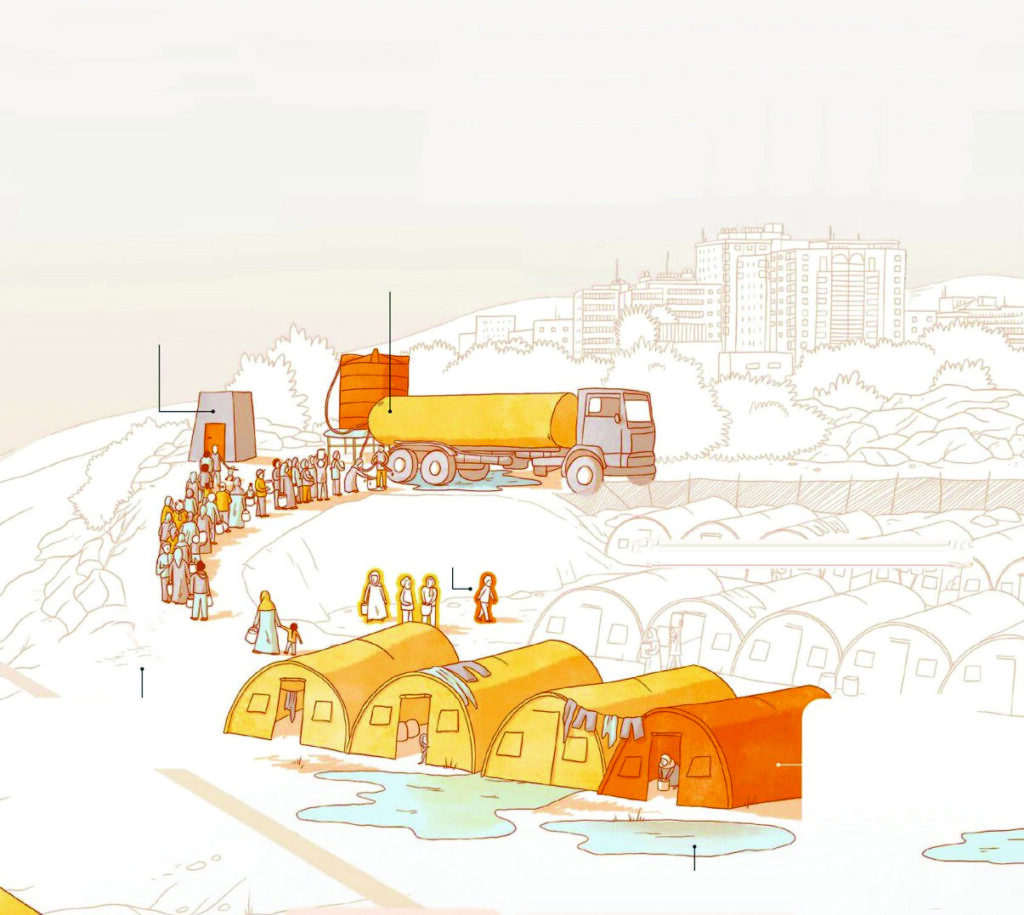
Nigeria’s cholera crisis has spread to 34 states, killing 86 people and infecting over 3,000 by June, according to latest data from the Nigeria Centre for Disease Prevention and Control (NCDC). Flooding, unsafe water, and poor sanitation are driving the outbreak, putting 80,000 children at heightened risk.
Health experts warn the epidemic could cost Nigeria over N414 billion, perpetuating cycles of poverty and preventable deaths if urgent action is not taken.
At least 15 million Nigerians face high flooding risks this season. Floodwaters wash pathogens from soil, waste, and sewage into rivers and drinking water sources, creating perfect conditions for cholera, a disease caused by Vibrio cholerae.
Recent disasters include:
Niger State (Mokwa): Over 150 deaths in May
Rivers State (Okrika): 25 deaths from landslides and flash floods
Ogun & Gombe States: Severe flooding displacing thousands
Zamfara accounts for 32% of cases, with Médecins Sans Frontières (MSF) reporting over 1,500 cases from three supported facilities. MSF has established 160 cholera beds in Zamfara hospitals and is expanding WASH (Water, Sanitation and Hygiene) support at community level.
A Johns Hopkins University–linked study estimated Nigeria loses about $271 million (over N414 billion today) annually to cholera through healthcare costs, lost productivity, and “death costs.” Experts argue these losses are avoidable with investment in clean water and sanitation infrastructure.
Dr Chukwuebuka Ugwu, Bingham University:
“Cholera flourishes where WASH infrastructure is lacking. This is a 19th-century disease Europe defeated with piped water and sanitation. Nigeria can do the same with political will and systemic change.”
Dr David Kizito, MSF Nigeria:
“Rainwater carries faeces into drinking sources. Poverty and poor sanitation keep communities vulnerable. Clean water access is key to prevention.”
Prof Emmanuel Aguwa, UNN:
“The government’s role is both preventive—through clean water, education, vaccination—and curative, ensuring affordable treatment.”
Health experts recommend:
Urgent investment in nationwide WASH infrastructure
Pre-positioning of IV fluids, ORS, and medicines in hotspots
Oral cholera vaccination campaigns in high-risk areas
Public awareness on hygiene: boiling water, handwashing, safe food preparation
Nigeria’s cholera crisis is preventable yet worsening. Without urgent government action, investment in water and sanitation, and community-level behaviour change, the country risks repeating the same deadly cycle every rainy season.