Nigeria Loses $18 Billion Annually to Multinational Tax Evasion — Minister
Nigeria is losing about $18 billion annually to profit-shifting, aggressive tax avoidance, and other illicit practices by some multinational corporations operating in the country, according to the Federal Government.
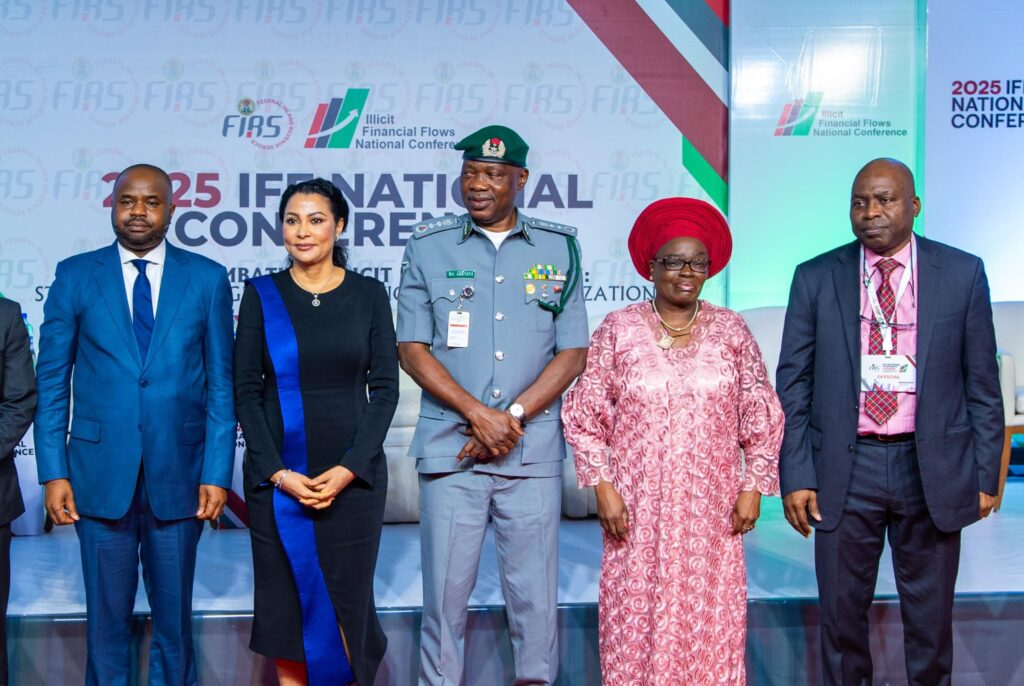
Minister of State for Finance, Dr Doris Uzoka-Anite, disclosed this yesterday at a national conference on Illicit Financial Flows (IFFs) in Abuja. She described IFFs as a “hydra-headed monster” that fuels terrorism financing and drains the economy.
“Huge sums of money are transferred out of Nigeria through tax evasion and profit shifting. This robs the country of resources needed for critical public services,” she said.
The minister stressed that the Tinubu administration is implementing strategic fiscal reforms to reduce dependence on oil revenue and strengthen non-oil revenue sources, especially taxes.
FIRS Moves Against Tax Evasion
Executive Chairman of the Federal Inland Revenue Service (FIRS), Zacch Adedeji, said multinational corporations exploit global tax arrangements to avoid paying taxes in Nigeria, threatening fiscal stability
“FIRS is working to simplify compliance, promote taxpayer education, and encourage voluntary compliance,” he added.
Meanwhile, an alumnus of the School of Politics, Policy and Governance (SPPG), Dr Samson Abanni, said recent tax reforms signed into law could reshape Nigeria’s fiscal structure as profoundly as a general election.
- Consolidates over 200 fragmented taxes into 10 for efficiency.
- Establishes the Nigeria Revenue Service (NRS) as a central tax authority, merging powers of the FIRS.
- States retain rights to personal taxes but have reduced discretion over rates and enforcement.
- All tax processes — registration, filing, audits — are now uniform nationwide.
- MDAs and agencies like NUPRC, NIMASA, and TETFund lose direct collection powers to NRS.
Abanni warned that while the reforms promise clarity, compliance, and improved business climate, they also centralize fiscal control at the federal level:
“It is not a coup, but a quiet, legal reordering of how power flows through Nigeria’s fiscal system,” he said.
The reforms aim to close Nigeria’s 70% tax gap, reduce harassment of businesses by multiple agencies, and stabilize revenue for public services.





