Petrol Price Hike, Scarcity Loom Over Middle East Tensions, Tanker Drivers’ Strike
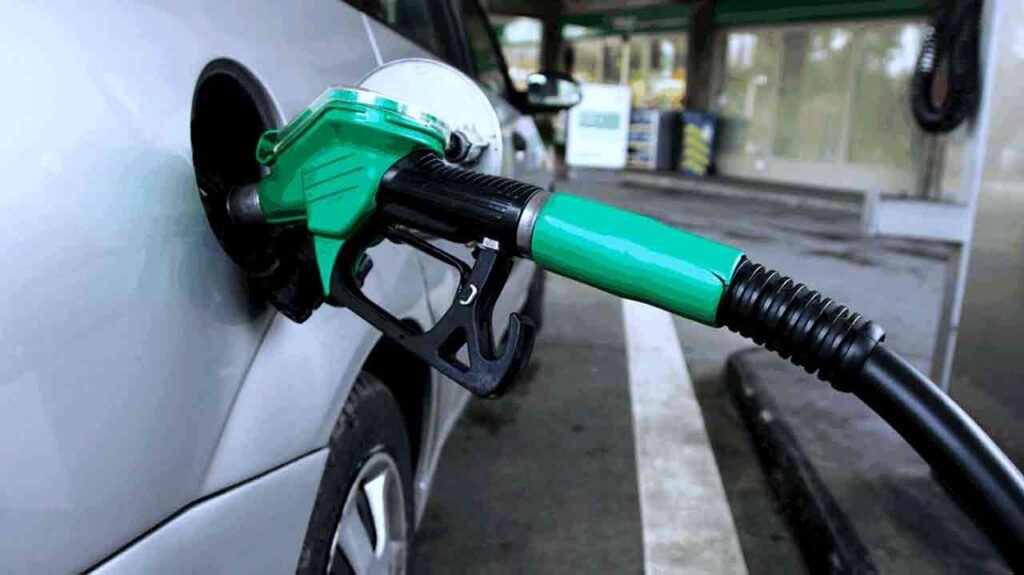
Nigeria may be heading toward another round of fuel scarcity and soaring pump prices—potentially hitting ₦1,000 per litre—as rising Middle East tensions and an industrial standoff involving tanker drivers threaten the nation’s already fragile fuel distribution network.
On Sunday, Dangote Refinery announced the rollout of 4,000 new compressed natural gas (CNG)-powered fuel tankers, marking its formal entry into the petroleum haulage sector. While the development is positioned to overhaul logistics and reduce costs, it has triggered a confrontation with the Nigerian Association of Road Transport Owners (NARTO), which declared a suspension of lifting fuel from the Dangote facility beginning today.
Meanwhile, data from the National Bureau of Statistics (NBS) revealed that Nigeria exported ₦12.96 trillion worth of crude oil in Q1 2025, a 16.34% decline from ₦15.49 trillion in the same period in 2024—pointing to dwindling export revenues and growing dependency on refined imports amid global price instability.
Middle East Conflict Drives Oil Price Surge
On Friday, oil prices surged over 10% after Iran launched missile strikes on Israel in retaliation for attacks on its nuclear and military infrastructure. Brent crude jumped by more than 8%, with Nigeria’s premium grades—Bonny Light, Brass River, and Qua Iboe—averaging $78 per barrel, surpassing the $75 benchmark in Nigeria’s 2025 budget.
If sustained, the price rally could earn Nigeria an extra $480 million, with May alone seeing 45 million barrels sold at an average of $65/barrel. A $10/barrel increase could inject nearly ₦480 billion into national revenue.
Fuel Price Outlook and Logistics Disruptions
Despite the potential fiscal windfall, motorists may face another wave of pump price hikes, with fears that petrol may climb back to ₦990 per litre, as it did in January 2025.
The disruptions are exacerbated by NARTO’s decision to withdraw trucks from the Lekki–Epe Corridor over a standoff with the Lagos State Government. The dispute stems from the state’s enforcement of a ₦12,500 E-Call Up System per truck—against





