Limited Lifeline: Israel’s ‘Basic Food’ Aid Plan Falls Short Amid Gaza Crisis
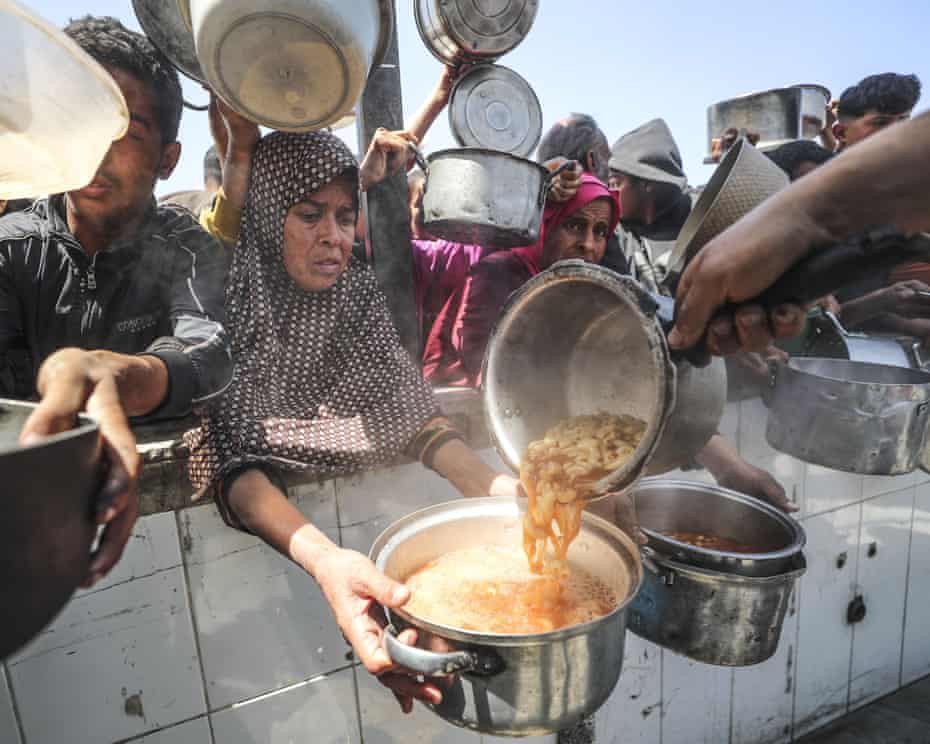
As Israel intensifies its military campaign in Gaza, mounting international pressure has prompted a limited shift in its blockade policy — allowing minimal aid into the enclave after 11 weeks of total isolation. Yet, humanitarian experts warn that the scale of this aid is nowhere near what is needed to avert catastrophe.
Humanitarian Emergency Deepens
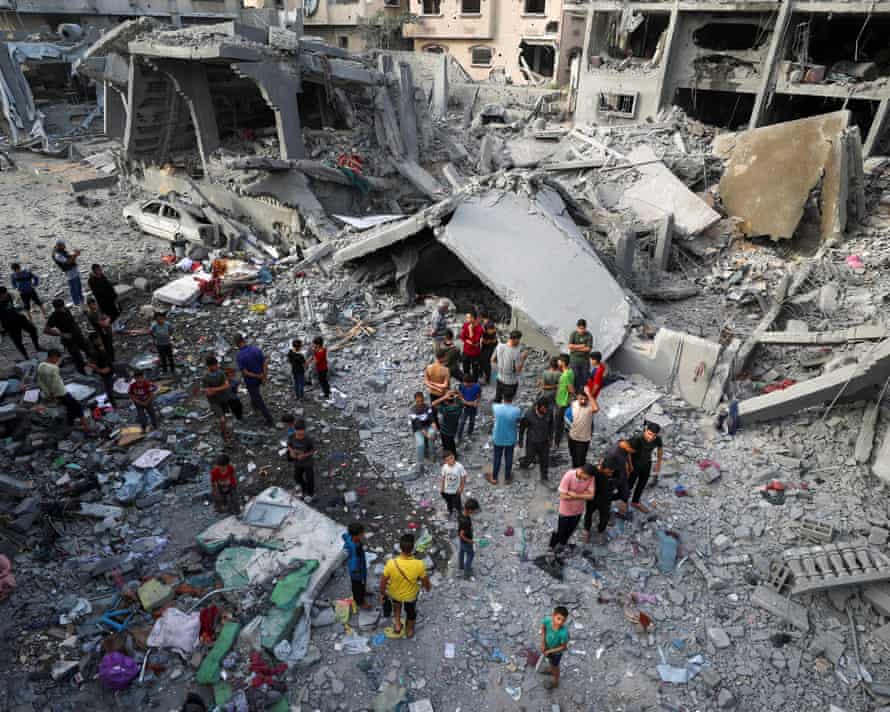
With relentless airstrikes and ground operations displacing more than 400,000 people and killing over 3,000 in just two months, Gaza’s humanitarian crisis has escalated to a dire level. The total blockade of goods has created critical shortages of food, medicine, and fuel. According to reports, at least 57 children have died from malnutrition since the blockade began.
Under mounting international condemnation from countries like the UK, France, and Canada, Israeli Prime Minister Benjamin Netanyahu on Monday announced a small-scale reopening of aid channels. However, the plan has been widely criticised for its inadequacy and for seeking to control distribution through militarised hubs under a US-backed model that the UN has firmly rejected.
‘A Tactical Distraction’
Speaking with The Guardian, Clémence Lagouardat, Oxfam’s response lead in Gaza, described the aid move as a “tactical distraction” rather than a meaningful humanitarian response.
“The number of trucks mentioned is extremely low and won’t resolve the on-ground crisis. It is only a partial measure. People are desperate. When aid enters in drops, it increases the risk for humanitarian workers,” she said.
Lagouardat highlighted the extreme dangers facing aid workers: looting, theft, and direct threats. One NGO site was reportedly overrun, with staff held at knifepoint, and the UN agency UNRWA has had to evacuate personnel after a breach of its Gaza City office.
Living on the Edge
Residents are reportedly down to one meal a day, often only rice and lentils. Parents are going hungry so their children can eat. Salma Altaweel, of the Norwegian Refugee Council, said: “We are dizzy, lightheaded. We haven’t eaten anything nutritious for months. You see parents weeping because they can’t feed their children.”
The UN reported a 75% drop in daily meal production in Gaza between late April and mid-May due to closures and fuel shortages.
Obstructing Humanitarian Access
Meanwhile, Israel is pushing to shift distribution from established humanitarian networks to armed private contractors operating in militarised aid hubs, a move widely condemned by NGOs and the UN.
Further complicating matters, new Israeli regulations could restrict or deregister international NGOs operating in the Palestinian territories, which groups have described as “arbitrary” and politically motivated.
“There’s a clear push to militarise and privatise aid, essentially sidelining traditional humanitarian organisations,” Lagouardat said. “That undermines accountability, access, and dignity.”
Aid in the Crosshairs
Humanitarian operations are also under direct threat. Key hospitals have been targeted, including the Nasser Medical Complex, the European Hospital, and the Indonesian Hospital, the latter reportedly placed under siege. The situation leaves few functioning health facilities in Gaza and has severely hampered medical care.
“There’s only so much risk we can take,” Lagouardat added. “We’ve already pushed our limits due to the overwhelming need, but the risk level now threatens our ability to operate at all.”
Bottom Line
While Israel’s announcement might ease diplomatic pressure, the actual impact on the ground appears minimal. With access restricted, aid militarised, and humanitarian conditions rapidly deteriorating, many fear that this limited policy shift is too little, too late for the people of Gaza.