World Bank: NNPCL Failed to Remit N500bn in 2024 Revenue from Subsidy Removal
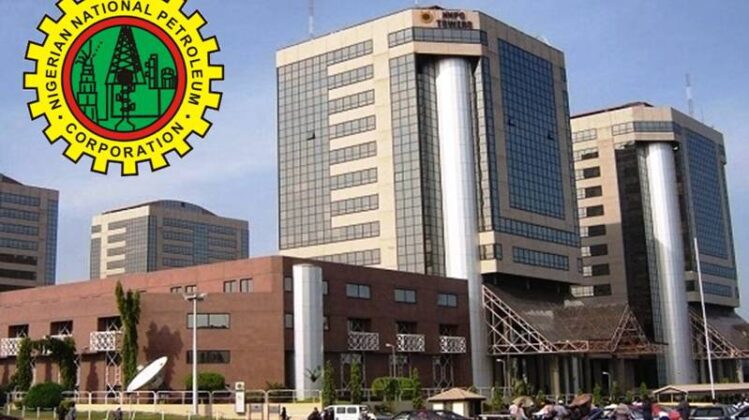
The World Bank has revealed that the Nigerian National Petroleum Company Limited (NNPCL) failed to remit N500 billion of revenue gains from the removal of the Premium Motor Spirit (PMS) subsidy to the Federation Account in 2024.
This revelation was made in the latest Nigeria Development Update report titled “Building Momentum for Inclusive Growth,” which highlights concerns over fiscal transparency following the deregulation of Nigeria’s downstream petroleum sector.
According to the report, out of the N1.1 trillion in revenue generated by the NNPCL from crude oil sales and related income in 2024, only N600 billion was remitted to the Federation Account, leaving N500 billion unaccounted for.
The World Bank explained that the unremitted funds were reportedly used by the NNPCL to settle legacy debt arrears, a move that has raised fresh concerns about accountability in the management of public resources.
Delayed Remittance and Policy Shift
Following the removal of the fuel subsidy by President Bola Tinubu in 2023—a decision praised by global financial institutions for its long-term fiscal benefits—the NNPCL delayed transferring revenue windfalls from the reform. Though full deregulation only began in October 2024, the remittances to the Federation Account started three months later, in January 2025.
“Despite the subsidy being fully removed in October 2024, NNPCL started transferring the revenue gains to the Federation only in January 2025. Since then, it has been remitting only 50 per cent of these gains, using the rest to offset past arrears,” the report stated.
The World Bank stressed that this delay undermines the federal government’s fiscal consolidation efforts and the broader goal of increasing investments in infrastructure and social programs.
Fiscal Impact and Revenue Performance
Despite the significant rise in total government revenue—from N16.5 trillion in 2023 to N29.5 trillion in 2024—NNPCL’s contributions declined. It remitted just N600 billion in 2024, a drop from the N1.1 trillion remitted in 2023. This shortfall was attributed to the implicit subsidy that persisted until Q3 2024.
“NNPCL was the only laggard among revenue-generating agencies, remitting just N0.6 trillion to FAAC in 2024,” the report emphasized.
Meanwhile, other revenue sources such as oil royalties, customs duties, and VAT linked to foreign trade surged due to the removal of both PMS and FX subsidies.
As of February 2025, NNPCL’s claimed arrears stood at N7.8 trillion, while the Federation’s claims totalled N6.1 trillion, leaving net arrears of N1.7 trillion still owed to the company.
Recommendations
To improve accountability, the World Bank called for:
- A forensic audit of NNPCL’s financial operations.
- Standardised reporting templates for remittances to FAAC.
- Enhanced transparency in oil revenue accounting.
- Stronger public financial management systems.
The report warned that unless full revenue gains from subsidy reforms are transparently remitted, Nigeria’s fiscal consolidation and development efforts may be undermined.
“Resolving net arrears and ensuring full remittance of subsidy savings are critical for maintaining fiscal stability,” it concluded.







This report raises serious concerns about the transparency and accountability of the NNPCL. It’s alarming that N500 billion remains unaccounted for, especially when these funds could have been used for critical infrastructure and social programs. The delay in remitting revenue gains to the Federation Account undermines public trust and the government’s fiscal goals. While settling legacy debts is important, it shouldn’t come at the expense of national development. Why wasn’t there a clearer plan to balance debt repayment with remittances to the Federation Account? The NNPCL’s actions seem to prioritize internal obligations over national priorities, which is disappointing. How can the public be assured that such mismanagement won’t happen again in the future?