Trump Orders 100% Tariff on Foreign Films, Citing Threat to U.S. Movie Industry
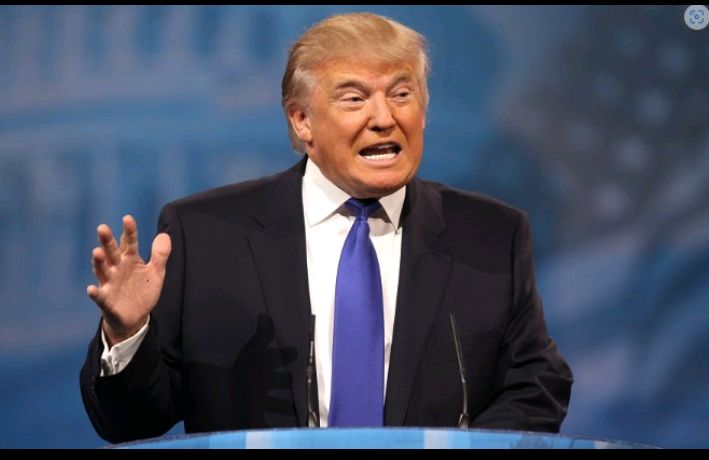
President Donald Trump has announced plans to impose a 100% tariff on all films produced outside the United States and imported into the country, claiming that foreign incentives are crippling the American film industry and posing a national security threat.
In a post Sunday evening on his Truth Social platform, Trump said he has directed the Department of Commerce and the U.S. Trade Representative (USTR) to begin the process of instituting the tariffs.
“The Movie Industry in America is DYING a very fast death. Other Countries are offering all sorts of incentives to draw our filmmakers and studios away from the United States,” Trump wrote. “WE WANT MOVIES MADE IN AMERICA, AGAIN!”
The move is part of Trump’s broader effort to bring manufacturing and production back to U.S. soil, though it is unclear how a tariff on films — which are classified as intellectual property rather than tangible goods — would be implemented. Tariffs traditionally apply to physical imports, not services or copyrighted works.
Hollywood productions have increasingly moved overseas in recent years, lured by tax incentives and cheaper labor in cities like Toronto, Dublin, and Prague. In response, California has been trying to fight back, with Governor Gavin Newsom proposing expanded tax credits to draw back production.
“Hollywood, and many other areas within the U.S.A., are being devastated,” Trump continued. “This is a concerted effort by other Nations and, therefore, a National Security threat. It is, in addition to everything else, messaging and propaganda!”
Though Hollywood continues to produce major blockbusters, the U.S. box office has struggled since the COVID-19 pandemic. Domestic ticket sales, which hit nearly $12 billion in 2018, plunged to $2 billion in 2020 and have yet to recover to pre-pandemic levels.
Meanwhile, studios are relying heavily on streaming platforms, many of which have only recently become profitable. Disney+ and Max have just posted their first profits, while others continue to operate at a loss. Cost-effective production abroad remains a key strategy for many U.S.-based studios.
Experts have questioned the feasibility and legality of Trump’s proposed tariff. Services like films are not typically subject to import duties, although the USTR does cite the existence of non-tariff barriers in international trade, such as subsidies, quotas, and regulatory hurdles.
If enacted, the film tariff would mark Trump’s first attempt to apply protectionist trade policies to the entertainment sector. It builds on a broader agenda that includes tariffs on steel, aluminum, autos, and most recently, a sweeping 145% tariff on Canadian imports.
The film industry and trade officials have not yet responded to the announcement. Would you like a visual timeline of Trump’s trade tariffs to accompany this summary?