Luxury Ghost Towns: Empty Mansions Fuel Nigeria’s Housing Crisis
By Titilope Johnson
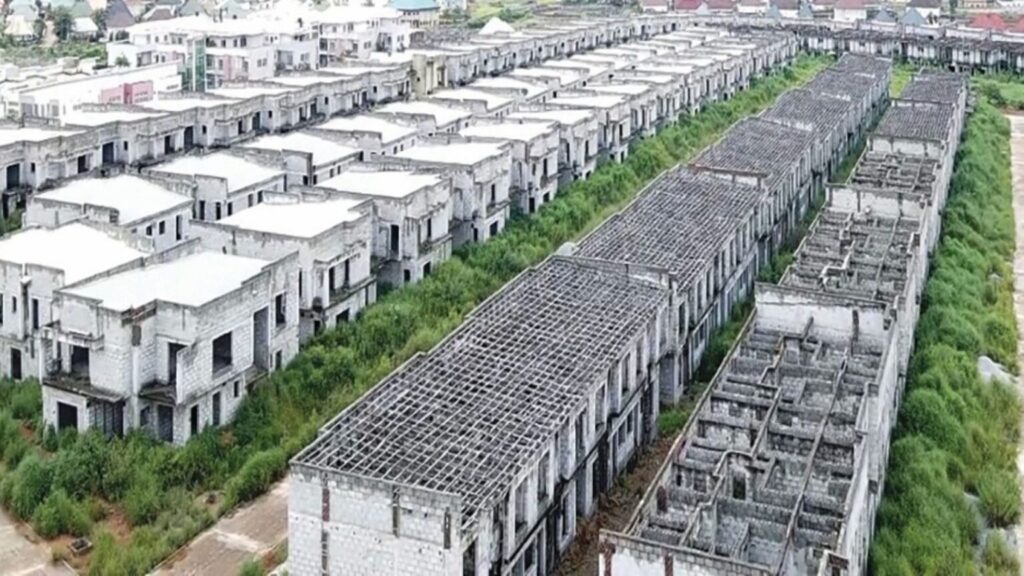
Nigeria’s worsening housing shortage continues despite the rise of luxury estates that remain largely unoccupied. Experts say many of these high-end properties are used to conceal illicit wealth, contributing to soaring property prices and limiting access to affordable housing.
Investigations by anti-graft agencies have intensified, with the EFCC reportedly recovering or investigating about 1,500 properties in the last two years and seizing 975 real estate assets in 2024 over alleged links to money laundering.
Analysts blame weak regulation, cash-based transactions, and poor transparency for making the real estate sector attractive for hiding illegal funds. They are calling for stricter Know-Your-Customer (KYC) rules, a national property registry, and taxes on long-vacant buildings to improve accountability.
Meanwhile, millions of Nigerians continue to struggle with rising rents and inadequate housing, while luxury homes in cities such as Abuja, Lagos, and Port Harcourt remain empty. Experts believe reforms are needed to curb illicit financial flows and encourage investment in affordable housing.